
Blog

The Architecture Studio Trap: Why Time Slips Away (and How to Get It Back)
Most architects aren’t lazy — they’re overworked and under-systemised. When you’re the architect, project manager, and accountant all in one, time slips through the cracks. Research shows that up to 35% of working hours are lost each week to miscommunication and rework — not design. The truth is, great studios don’t have more hours; they have better systems. Building a system that protects your time isn’t overhead — it’s your hidden superpower.

How Design Studios Leak 20% of Their Profit—Without Even Realising
Your studio might be thriving with projects, but if profits aren’t moving, the culprit is often “operational fog”—the untracked hours, shifting scopes, and free extras that quietly drain margins. The good news? Small changes like mid-project checkpoints and simple scope reviews can protect your time, your team, and your bottom line. Want to see the five hidden leaks that cost studios the most—and how to fix them? Read the full post →

Unclear Briefs Are Costing You Time, Trust, and Profit
An unclear brief doesn’t just slow projects down—it quietly eats into your profit. Vague words like “modern” or “light” often hide contradictions that lead to endless revisions and unpaid hours. The fix isn’t a new process—it’s better questions. Borrowing from UX, you can uncover the real needs behind client requests and set your team up for smoother approvals and stronger results. Want to know the 5 key questions that turn a brief into a clear roadmap? Read the full post 👉🏼

5 Things You Need in Place Before Using AI in Your Architecture Studio
AI won’t magically fix a messy studio—it’ll just scale whatever system you already have. If your files are scattered, your naming inconsistent, and your workflows undocumented, AI will only add to the chaos. But with clear names, structured folders, centralised storage, and repeatable processes, AI can actually make your team faster and smarter. Curious where to start? Read the full post for 5 essentials every architecture studio should put in place before plugging in AI.

If you're afraid to talk about scope creep, read this.
Scope creep doesn’t just steal weekends—it erodes trust, profit, and team morale. Most clients aren’t trying to overreach; they simply don’t realise the impact of their requests. The fix isn’t rigidity, it’s clarity: make scope visible, spot changes early, and respond with structure. With a simple one-page scope, weekly check-ins, and confident written responses, you can catch changes before they spiral and protect both your team and your client relationships.

Can You Tell—At a Glance—Which Projects Are Profitable?
You probably know what your studio is earning. But do you know what it’s costing you? In architecture, small tasks like answering client calls or making last-minute revisions often slip through the cracks. Without tracking where your team’s time really goes, you may not know which projects are profitable—and which are quietly draining your margin.

What Most Architects Overlook After Project Delivery
Most studios move on once a project is built. But what if your best design lessons are hiding in the finished work? This article explores how borrowing a mindset from UX can help architects reduce rework, strengthen their reputation, and design smarter by learning from real-world use—long after handover.

The Best Business Advice I’ve Gotten (That Didn’t Come from Another Architect)
Most business advice in architecture focuses on visibility—awards, publications, recognition. But what about actually running a studio? In this post, I share four game-changing lessons I’ve borrowed from tech, product, and ops teams that helped me manage better, grow sustainably, and support my team more effectively.

How to Run a 15-Minute Weekly Check-In That Keeps Your Architecture Studio Aligned
You didn’t start your firm to run meetings.

From 3 Hours to 30 Mins : 4 Productivity Hacks to Gaining Back Your Work Time
Entrepreneurs often find themselves buried in work, but maximising productivity doesn’t have to mean working longer hours. Instead, it’s about working smarter. Cut out mindless text-checking by setting designated response times, minimise unnecessary meetings by delegating client interactions, and embrace digital productivity tools like Notion and Zapier to automate tedious tasks. Most importantly, align your work with your natural energy peaks—schedule deep work when you’re most alert and save low-effort tasks for downtime. Small shifts like these can reclaim hours in your day, turning overwhelm into efficiency.
Great Sites for Architectural Design Inspiration
Architectural inspiration can come from anywhere—the natural world, brand philosophies, creative gatherings, or even AI-generated prompts. The best architects don’t just wait for inspiration to strike; they seek it out in the lush patterns of nature, the curated aesthetics of brands like MUJI and Dyson, the dynamic energy of design expos, or the rapid ideation of AI tools. Whether it’s the biomimicry behind The Gherkin or the precision engineering of a Dyson vacuum, every great structure begins with a spark. The question is: where will you find yours?

Easy Tips for Accessing Deep Creative Flow
Unlocking deep creative flow might seem magical, but it’s achievable with simple habits. Embrace playfulness to spark your artistic energy and keep stress at bay, as creativity thrives in a relaxed mindset. Minimise distractions like notifications or multitasking, which fragment focus and derail productivity—immerse yourself fully in one task at a time. Choose projects that balance challenge and skill to hit the “sweet spot” where flow naturally emerges. Finally, balance your brain by engaging both sides—combine creative pursuits with logical activities like journaling or solving puzzles to cultivate sustained, immersive inspiration.

IKIGAI : 4 Steps to Find Your Design Business Sweet Spot
In the pursuit of creating a dream business within the design industry, the Japanese concept of Ikigai emerges as an essential philosophy for aligning personal satisfaction with professional success. This method involves identifying what you love, what you are great at, the needs of the world, and opportunities for financial return, thereby crafting a business that is as rewarding as it is viable. By integrating Ikigai into your entrepreneurial strategy, you can ensure that your daily work not only drives you but also delivers solutions that the market values. This alignment promises a more sustainable and fulfilling career, encouraging you to continuously innovate and excel in a field fueled by passion and purpose.
HOW TO Reignite Your Motivation on Draining Days
When work starts to feel heavy, and motivation is running low, finding ways to reignite your energy is key. From starting the day slowly to giving yourself small rewards, these simple changes can refresh your mindset and help you push through those challenging days with a renewed sense of purpose. Try these techniques to stay inspired and keep your spark alive!

Unexpected Things That Inspire Creativity
Unlocking your creative spark doesn’t always have to happen in your comfort zone. Simple activities like visiting local parks can calm your mind, while handmade crafts help stimulate creativity through hands-on tasks. Historical sites provide a refreshing contrast to daily routines, offering new perspectives. Finally, tech-free spaces give you the clarity and focus needed to let your ideas flourish. These simple shifts in environment and activity can reignite your creativity in unexpected ways.

Navigating Price Negotiations: How Designers Can Close Deals with Cost-Conscious Customers
In today's challenging economy, designers frequently encounter clients eager to save costs and negotiate prices. This article delves into effective strategies for handling such situations—ranging from understanding the client's budget comfort zone and highlighting your unique expertise to offering value-added trade-offs—all aimed at closing deals that keep both the client and the designer satisfied while ensuring the business remains profitable.
Guide to Effective Creative Meetings
In the fast-paced worlds of design and architecture, time is your most valuable resource. Efficient creative meetings can be the key to unlocking more time for innovation and profitability. By preparing in advance, keeping detailed notes, avoiding live updates, and embracing asynchronous collaboration, you can drastically reduce time spent in meetings, allowing for more focused and creative work. Protect your time and watch your productivity soar.

Bangkok's Green Cafes That Will Power Up Your Productivity
Feeling stuck in a concrete office environment? Nature is probably calling. When the city's hustle and bustle drain your creativity, a gardenscape might be all you need to rejuvenate. Check out our list of green cafes perfect for boosting productivity and enjoying a refreshing change of scenery.
8 Time Management Tips for Busy Designers
In the fast-paced world of architecture, effective time management is crucial for success. This article explores eight practical strategies to help architects optimise their schedules, enhance creativity, and boost productivity. From prioritising critical tasks to finding inspiration, these tips are designed to streamline your workflow and elevate your practice. Whether you're managing multiple projects or seeking a better work-life balance, these time management techniques will add value to your architectural career.

NANA Coffee Roasters Bangna : Where Nature Meets Niche Flavour
NANA Coffee Roasters Bangna is a biophilic haven that elevates the coffee drinking experience through its minimalist design and dedication to quality. The flagship store focuses on the taste of fine, single-origin coffee, seamlessly blending indoor and outdoor spaces with lush greenery and bright interiors. The team behind NANA Coffee Roasters are true artisans, controlling every stage of the coffee journey to highlight the best in locally sourced beans. This approach creates a unique environment where nature and niche flavour come together for an unparalleled coffee experience.
Design Businesses: How to Build a Brand that the World Will Remember
The design world is bursting with talent, but with so many options, how do you make your business stand out? This article explores the key strategies design studios can use to build a lasting brand. From emotional storytelling that connects with your audience to creating a visually captivating identity, discover how to bridge the gap between good design and a brand that clients will remember and choose time and again.
Small Design Business Survival Kits
Outshining larger design competitors on a tight budget is challenging but feasible. By maintaining a clear vision, perfecting your craft, utilising effective business tools, embracing personalised marketing, and controlling overhead costs, you can increase your chances of success despite the obstacles.

Cool Design Ideas for Rising Heat
2023 has officially been the hottest year for almost everyone. As we head into summer 2024, finding ways to stay cool becomes essential. Millions live in homes not built for this heat, but adaptive design solutions can help. By lightening up with soft pastels, investing in high-performance cooling interiors, switching to efficient lighting systems, and blurring the boundaries between indoors and outdoors, we can enhance comfort and air quality, making this summer one to remember.

Surviving The First Year as a Design Business Owner
Starting a design business involves navigating various challenges, but the right strategies can lead to success. Combining entrepreneurship with artistic originality is crucial in today’s competitive environment. Despite a high failure rate of 20% within the first year, you can thrive by crafting a comprehensive business plan, offering unique solution selling, fostering strong teamwork, implementing holistic marketing, building lasting customer loyalty, managing cash flow effectively, maintaining unwavering discipline, and leveraging time-saving tech tools. These strategies will help you overcome adversity and establish a successful design business.

Starting a Design Business Online? 5 Tips to Make it Memorable
Tired of the 9-to-5 grind? Ready to turn your design passion into a thriving business? Don't let competition hold you back! This guide provides a roadmap to launch your design business online and stand out from the crowd.

Avoiding Pitfalls: How to Communicate Effectively with Residential Clients
Effective communication is key in the homebuilding process. Here are essential tips to ensure successful interactions with clients and avoid common pitfalls.

Bangkok Cafes Digital Nomads Will Love
Bangkok has taken the crown as Asia’s top digital nomad hub. Warm year-round weather, affordable accommodation, international food options, and endless fun activities make it easier to kick off the journey. At the same time, there are plenty of laptop-friendly cafes to choose from.

Sustainable Design Strategies for Extreme Heat 🥵
Scorching summers and dramatic monsoons are the new normal in Asia's tropics. Architects must create beautiful, liveable spaces that work in harmony with the environment. This blog post explores 6 keys to functional tropical architecture for a cooler future.

Ways to Boost High Creativity on a Low Day
Ever hit that morning slump where staring at a blank canvas feels like climbing Mount Everest? We've all been there – days when creativity seems to vanish faster than your morning coffee. But fear not, fellow architects! Here are a few quick and easy strategies to jumpstart your creative spark and turn that sluggishness into a day brimming with fresh ideas:

Out with the Indecisive, In with the Ideal Client: How to Ditch Time-Wasters
Not All Clients Are Created Equal: How to Identify and Avoid "Thoughtless, Budget-Constrained" Clients. In the dynamic world of design, clients play a crucial role in driving business success. However, not all clients are created equal. Among the diverse types of clients, designers often encounter the dreaded "Loser Client" – characterised by unclear goals, excessive questioning, and insufficient budgets. These clients pose significant challenges, leading to high customer service costs, low returns, and overall business damage. To combat this issue, designers can employ a three-step strategy to effectively identify and avoid "Loser Clients"

South Korean Pavilion at Expo 2020
Designed by renowned architect Moon Hoon and Mooyuki Studio, the Mobile MASS_ITY pavilion captivated audiences at Expo 2020 Dubai. This architectural marvel not only impressed with its scale and design but also served as a powerful symbol of South Korea's forward-thinking approach to mobility.

6 Qualities of a Great and Successful Architect
The architectural world beckons with grand designs and lasting legacies. But the path to the top requires more than just a keen eye for aesthetics. This article unveils 6 essential skills that propel aspiring architects towards the pinnacle of success.

Library of the Future: Redefining Learning Spaces
Gone are the days of old-school study collections with conventional layouts. A lot of university libraries out there have reinvented themselves in ways unimaginable a decade ago. Enter the CU Architecture Library at Chulalongkorn University – a futuristic education hub that bears no resemblance to yesteryear's silent sanctuaries. This reimagined space is a testament to the power of human-centered design, boasting a coworking zone, a reading area, and even an exhibition space, all designed to spark creativity and collaboration.

7 Qualities to Future-Proof Your Design Career
The image of a designer conjures visions of artistic flair and impeccable taste. Traditionally, design success hinged heavily on aesthetics. But today's digital age demands a more multifaceted skillset. Here are 7 qualities that every designer, from architects to product creators, must cultivate to thrive…

Celebrating the Powerhouse Women Who Shaped Architecture
Today, on International Women's Day, we celebrate the incredible achievements of women across all fields, and architecture is no exception!

Why Clients Misread Your Designs (and How to Close the Gap)
A facade becomes a wall. A floor plan becomes a layout. Client misunderstandings don't come from bad design, they come from the distance between what you see and what they see. Here's how to close that gap.

Muji Style Serviced Apartment in Bangkok
This Muji style apartment truly sheds the image of Bangkok’s concrete jungle.

5 Essential Tips for Expanding Your Architect Practice in ASEAN
Here are five essential tips to guide your architectural practice towards success in the ASEAN market . . .

Architect-Entrepreneur's Vision to Democratise Architecture Wins £50k Innovate UK Grant
Rubporn ("Ponk") Memoli , a Thai architect and co-founder of HTCH ("hatch"), has secured a critical £50,000 grant from Innovate UK – the UK's leading innovation agency. This prestigious award fuels…
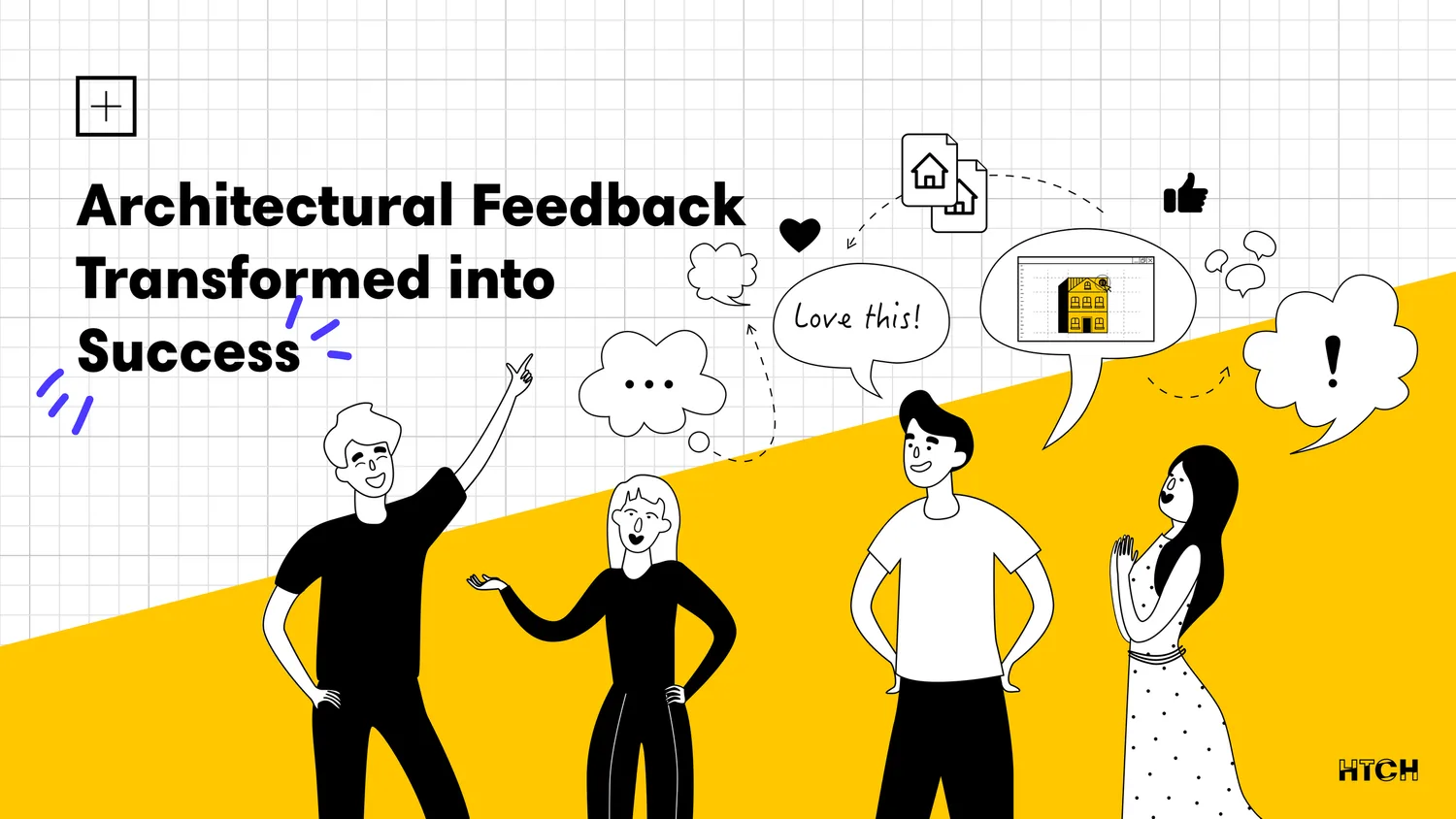
Building Success Together: How HTCH (”hatch”) Simplifies Client Communication for Architects
Customer satisfaction is one key ingredient for growing a successful architectural firm.

3 Classic Traps Every Professional Architect Encounters
Explore the 3 major traps in architecture - client screening, financial discussions, and scope creep - and learn effective strategies to navigate them.

7 Unique Tiny Houses Around The World
Living tiny doesn’t mean you have to compromise on style or functionality.